AC repair cost should start with the symptom, not a guess. “AC not cooling” can mean dirty filters, weak airflow, thermostat trouble, frozen coils, refrigerant leak, bad capacitor, fan failure, compressor issue, duct leak, clogged drain, or electrical fault.
A focused estimate should separate diagnostic visit, parts, labor, refrigerant, access, safety checks, and whether repair or replacement should be discussed.
Common AC Symptoms And Estimate Paths
| Symptom | Possible causes | Estimate path |
|---|---|---|
| Air not cold | Thermostat, refrigerant, coil, compressor, airflow. | Diagnostic first. |
| Unit will not start | Breaker, capacitor, contactor, thermostat, wiring. | Electrical and controls check. |
| Ice on lines or coil | Airflow restriction, refrigerant, dirty coil. | Do not keep running until checked. |
| Weak airflow | Filter, blower, duct restriction, coil, dampers. | Airflow inspection. |
| Water leak | Condensate drain, pan, coil freezing, pump. | Drain and cause review. |
| Loud outdoor unit | Fan motor, compressor, debris, loose parts. | Equipment inspection. |
Diagnostic Visit Is Not Wasted Money
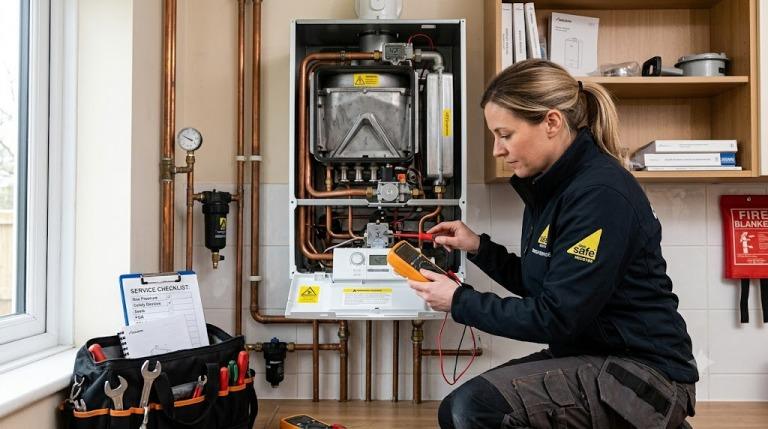
Many AC repairs need testing before pricing. A technician may check thermostat settings, filter condition, electrical components, refrigerant pressures, temperature split, coil condition, drain line, blower, fan motor, and system age. Without diagnosis, the estimate can easily point to the wrong part.
Parts That Commonly Affect Cost
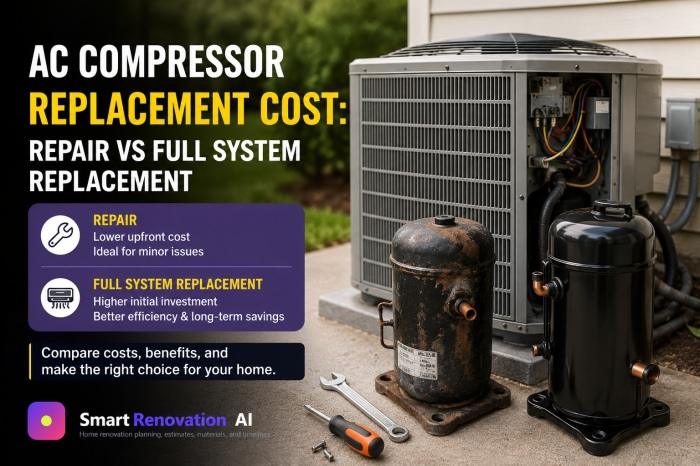
Capacitors, contactors, fan motors, blower motors, thermostats, drain pumps, control boards, refrigerant, coils, and compressors can each change repair cost. Compressor and coil repairs may trigger a repair-versus-replacement conversation, especially on older systems.
Repair Versus Replacement
Repair may make sense for a younger system with a clear part failure. Replacement may become part of the discussion when the system is old, inefficient, uses expensive or unavailable refrigerant, has a major compressor or coil issue, or has repeated breakdowns.
The HVAC repair versus replacement guide can help compare major repair decisions, while this article stays focused on AC repair planning.
Photos And Details To Upload
- Thermostat screen and settings.
- Indoor air handler or furnace area.
- Outdoor condenser from all accessible sides.
- Model and serial labels.
- Filter condition.
- Ice, water, rust, damaged wires, or blocked airflow.
- Short description of when the problem started.
What The Estimate Should Not Add
If the request is AC repair, the report should not add paint, flooring, roof work, plumbing, or unrelated renovation costs. Relevant categories include HVAC contractors, AC parts, thermostat suppliers, filter suppliers, ductwork specialists, and electrical support if the issue requires it.
Questions To Ask The Technician
Ask what failed, why it failed, whether the repair includes parts and labor, whether refrigerant is extra, whether diagnostic fees apply to the repair, how long the repair should last, and whether there are signs of larger system decline.
Simple Checks Before Calling
Homeowners can safely check thermostat mode, temperature setting, filter condition, obvious blocked vents, outdoor unit clearance, and breaker position. Do not open electrical panels, handle refrigerant, bypass safety switches, or keep running a unit that is frozen or making dangerous noises.
Airflow Problems Are Common
Weak cooling can come from weak airflow, not only refrigerant. Dirty filters, blocked returns, closed vents, dirty coils, blower issues, crushed ducts, or duct leaks can all make the system feel underpowered. A good estimate should not add refrigerant without checking airflow.
Refrigerant Should Be Explained
If refrigerant is low, ask why. Systems do not normally use refrigerant like fuel. Low refrigerant can point to a leak, and simply adding refrigerant may be temporary. The quote should explain whether leak detection, repair, or recharge is being recommended.
Drain And Water Issues
Water around the indoor unit may come from a clogged condensate line, frozen coil, broken pump, cracked pan, or poor drain slope. Water can damage ceilings, walls, flooring, and insulation, so the repair should include the cause and cleanup boundary.
Comfort Complaints May Be Design Problems
If one room is always hot while others cool normally, the issue may involve ducts, insulation, sun exposure, airflow balancing, or room layout. That is different from a dead part. The estimate should separate system repair from comfort improvement.
Estimate Records To Keep
Keep the diagnostic notes, part names, warranty, refrigerant details, model numbers, and service date. AC problems often return as patterns, and those records help the next technician understand whether the system is having repeated part failure, airflow issues, or age-related decline.
When To Ask For A Second Opinion
Consider another opinion when the quote jumps from a simple symptom to a major replacement without explaining test results, when refrigerant is added repeatedly, when the same part keeps failing, or when the repair cost is high compared with system age and condition.
Maintenance That Prevents Some Repairs
Filter changes, coil cleaning, drain maintenance, outdoor clearance, thermostat checks, and seasonal service can reduce avoidable breakdowns. Maintenance will not stop every failure, but it can prevent dirty-airflow and clogged-drain problems from becoming emergency calls.
If the system cools poorly during extreme heat only, note the outdoor temperature and indoor temperature before the service visit. That context helps separate normal capacity limits from repair issues.
Record whether the problem affects the whole home or only certain rooms because that changes the likely repair path.
FAQs
What affects AC repair cost?
Symptom, diagnostic visit, part needed, refrigerant, electrical issue, compressor, fan, thermostat, ductwork, access, labor, and system age affect cost.
Why is diagnosis needed before AC repair pricing?
The same cooling complaint can come from filters, thermostat, refrigerant, electrical parts, airflow, ducts, coils, or compressor problems.
Is AC not cooling always a refrigerant issue?
No. Dirty filters, frozen coils, thermostat settings, weak capacitors, fan problems, duct leaks, and compressor issues can also cause poor cooling.
When should AC replacement be considered?
Replacement may be considered when the system is old, repair cost is high, major parts fail, or efficiency and reliability are poor.
What photos help AC repair estimates?
Show indoor unit, outdoor unit, thermostat, filters, model labels, error codes, ice, water leaks, and access around equipment.